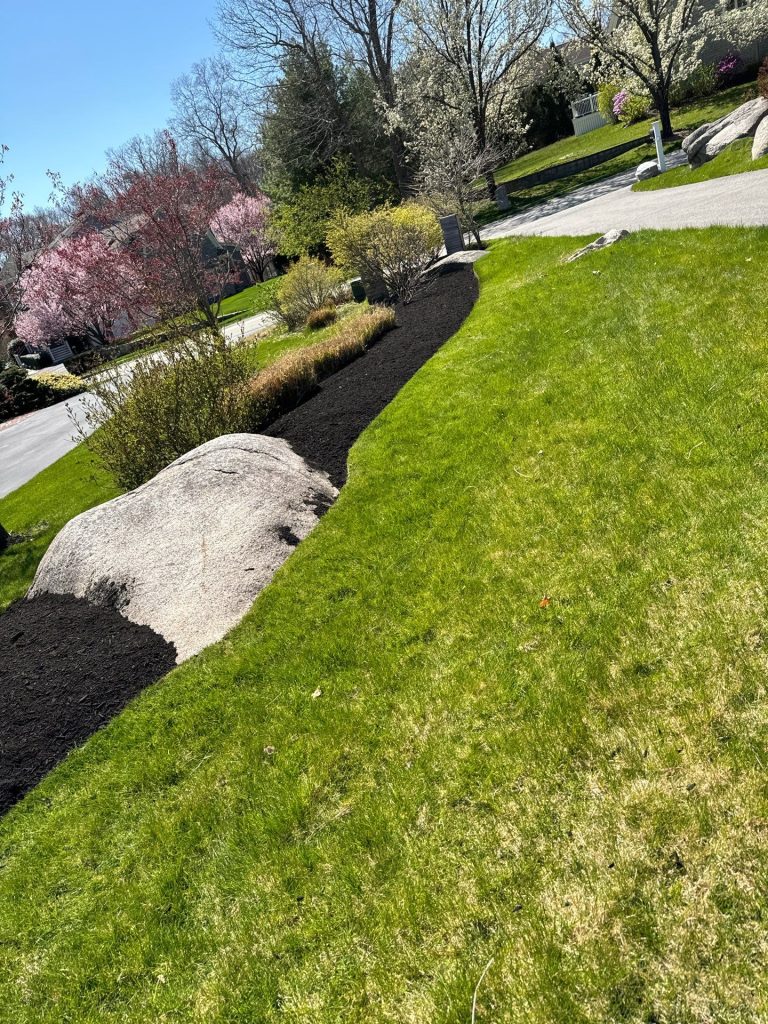
In New England, landscaping is never a one-season job. Our weather is unpredictable, our soil is constantly shifting, and our landscapes experience more stress over the course of a year than in many other regions of the country. The healthiest, most resilient properties are not the result of a single spring cleanup or a burst of summer maintenance. They are built through thoughtful, year-round care.
Understanding what your landscape needs and when it needs it makes all the difference. This seasonal calendar offers a practical guide to how professional landscaping care works across the year and why timing matters just as much as the services themselves.
Late Winter: January and February
Protection, Planning, and Prevention
While everything may look dormant on the surface, winter is an active season for your landscape below ground. Freeze and thaw cycles cause soil to expand and contract, placing stress on roots, turf, and hardscape features. Snow piles and foot traffic can compact soil, making it harder for air, water, and nutrients to reach plant roots once spring arrives.
Salt and deicing products also take a toll, particularly along walkways, driveways, and curb edges. Lawn burn, weakened turf, and damaged beds often trace back to winter conditions.
Late winter is also the ideal time for planning. Scheduling spring services early ensures availability and allows professionals to assess priorities before the rush of the season begins. Cleanups, mulching, stonework, and planting plans all benefit from proactive scheduling rather than last-minute decisions.
Early Spring: March and April
Resetting the Landscape
Early spring is when the landscape begins to wake up and when foundational work sets the tone for the entire year. Spring cleanup is far more than cosmetic. Removing debris, clearing beds, edging borders, and cutting back perennials allows soil to warm properly and encourages healthy new growth.
This is also an important time for gutter cleaning. Gutters clogged with leaves, pine needles, and winter debris can prevent proper drainage just as snowmelt and spring rains arrive. Left unchecked, blocked gutters can contribute to foundation issues, saturated planting beds, and erosion around the home.
Pruning at the right time supports plant structure and long-term health, while improper timing can stress plants or limit growth. Mulching strategy begins here as well, with an emphasis on soil protection and moisture regulation rather than appearance alone.
Early spring services are about resetting the property correctly. Skipping steps or rushing through this phase often leads to weed pressure, uneven growth, drainage issues, and problems that become more expensive to correct later in the season.
Late Spring and Summer: May through August
Growth, Maintenance, and Enjoyment
As temperatures rise, growth accelerates and maintenance becomes essential. Consistent lawn care supports strong root systems and even turf coverage, while regular monitoring helps identify stress from heat, foot traffic, or dry conditions before damage becomes widespread.
Late spring is also an appropriate time for dethatching when lawns show signs of excessive buildup. Removing thatch improves airflow, water absorption, and nutrient delivery to the soil, helping turf recover and grow more efficiently as the season progresses.
This is also peak season for hardscaping projects. Patios, walkways, stone features, and other outdoor enhancements are best installed during warmer months when ground conditions are stable and curing times are optimal. Addressing hardscape needs in late spring and summer allows homeowners to enjoy these spaces immediately while also improving drainage, usability, and long-term durability.
Beds require ongoing attention throughout the summer to manage weeds and retain moisture, and mulch may be refreshed as materials break down or shift. Together, these services protect the investment made earlier in the year and allow outdoor spaces to remain functional, safe, and inviting during the months they are used most.
Early Fall: September and October
Strengthening for What Comes Next
Fall is one of the most important seasons in the New England landscape calendar, yet it is often underestimated. Cooler temperatures and consistent moisture create ideal conditions for root development.
Services like aeration, dethatching, and overseeding help repair summer stress and strengthen lawns before winter. Bed cleanups remove spent growth while preserving plants that will return next season. Hardscape features benefit from inspection and adjustment before freeze and thaw cycles return.
Fall care is not about winding down. It is about preparing the landscape to withstand winter and emerge healthier in spring.
Late Fall and Early Winter: November and December
Closing the Loop
As temperatures drop, final cleanups become critical. Leaves, debris, and organic material left in place can smother turf, invite disease, and create drainage problems over the winter months. Proper cutbacks, pruning, and bed preparation help protect plants from snow load and temperature swings.
Gutter cleaning is especially important during this time of year. Late fall leaf drop is one of the leading causes of clogged gutters, and blocked systems can lead to ice dams, water damage, and overflow that impacts foundations and landscaping throughout the winter.
Late-season mulching also plays a valuable role in protecting the landscape. Unlike spring mulching, which is often done for aesthetics and weed control, fall mulching helps insulate soil, stabilize temperatures, and protect roots from freeze and thaw cycles.
This is also the time to prepare properties for snow management. Understanding where snow will be piled and how plows will move across a site helps reduce turf damage and hardscape wear throughout the winter months. Closing the season properly minimizes winter stress and sets the stage for a healthier, easier spring.
Why Year-Round Landscaping Matters
The most successful landscapes are not maintained through isolated services. They are guided by professionals who understand how each season impacts the next. A year-round approach allows for better timing, smarter planning, and fewer surprises.
Instead of reacting to problems, professional landscaping anticipates them. This leads to healthier lawns, stronger plantings, more durable hardscapes, and lower long term maintenance costs.
A Smarter Way to Care for Your Landscape
New England landscapes demand more than seasonal attention. They require experience, timing, and an understanding of how weather, soil, and plant health work together across the year.
By approaching landscaping as an ongoing partnership rather than a series of one-off services, homeowners and property managers protect their investment and enjoy better results season after season. If you are planning ahead for spring or looking for a landscaping partner who understands the full New England landscape calendar, the team at Mass Lawn Pros is here to help. Contact us online or call us at 781-835-7664 to start a conversation or schedule seasonal services with confidence.
Mass Lawn Pros is a full-service landscape design, construction, and maintenance company proudly serving residential and commercial properties across the South Shore of Massachusetts. With decades of local experience, our team delivers expert lawn care, seasonal cleanups, hardscaping, outdoor living design, irrigation services, plantings, property maintenance, and dependable winter snow and ice management. Known for exceptional customer service and reliable, high-quality workmanship, Mass Lawn Pros is committed to enhancing and protecting your property in every season. Contact us today to learn how our comprehensive landscaping and snow plowing services can keep your home or business looking its best year-round.